Regarding yellow fever in Colombia
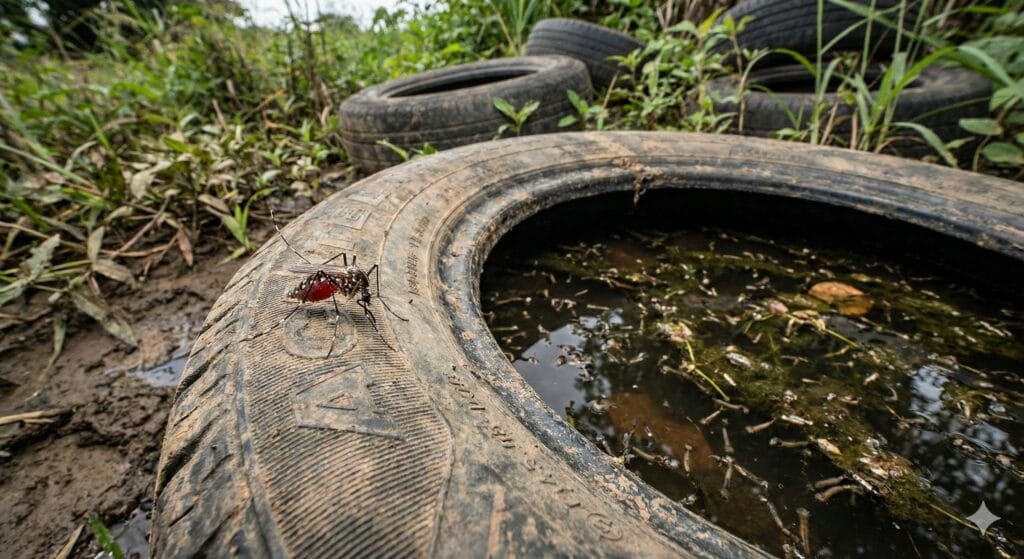
Yellow fever is a vaccine-preventable disease caused by a virus transmitted through vectors, mainly mosquitoes. It affects both humans and non-human primates (monkeys) and is characterized by a high case-fatality rate: approximately one out of every two people who develop the disease may die. Once the virus enters the body, it affects various organs, with the liver being the most severely impacted, where it causes cellular destruction and the release of large amounts of bilirubin into the bloodstream, resulting in the characteristic yellow discoloration of the disease
According to the Ministry of Health and Social Protection (MSPS), since 2024 Colombia has been experiencing an outbreak of yellow fever, with a total of 68 human deaths recorded up to January 2026. The departments with the highest number of deaths are Tolima (44), Putumayo (6), and Meta (3). Additionally, 78 cases of yellow fever have been identified in non-human primates, mainly concentrated in the departments of Tolima (61), Huila (8), and Putumayo (8)
The MSPS has implemented various actions aimed at preventing new deaths, including community education, intensified epidemiological surveillance, vector control, updating yellow fever risk areas, and the administration of vaccines, which are considered the main preventive measure. Regarding vaccination, the Ministry reports that between September 1, 2024, and January 19, 2026, a total of 4,972,053 doses have been administered nationwide
The community is reminded of the importance of getting vaccinated if they live in yellow fever risk areas or plan to travel to them, taking into account that vaccination must be done at least 10 days before traveling. Likewise, it is essential to promptly report sightings of sick or dead monkeys to community leaders or health authorities, avoiding contact or handling, since primates are not responsible for transmitting the disease but are victims of it. Finally, it is recommended to keep pools, water tanks, and other water containers in good condition in order to prevent the formation of mosquito breeding sites
Links of interest
Author
Gerhard M Acero
ESP epidemiology
Publication date: 30/01/2026
This post has not been sponsored.