Regarding attacks by Africanized bees in Colombia
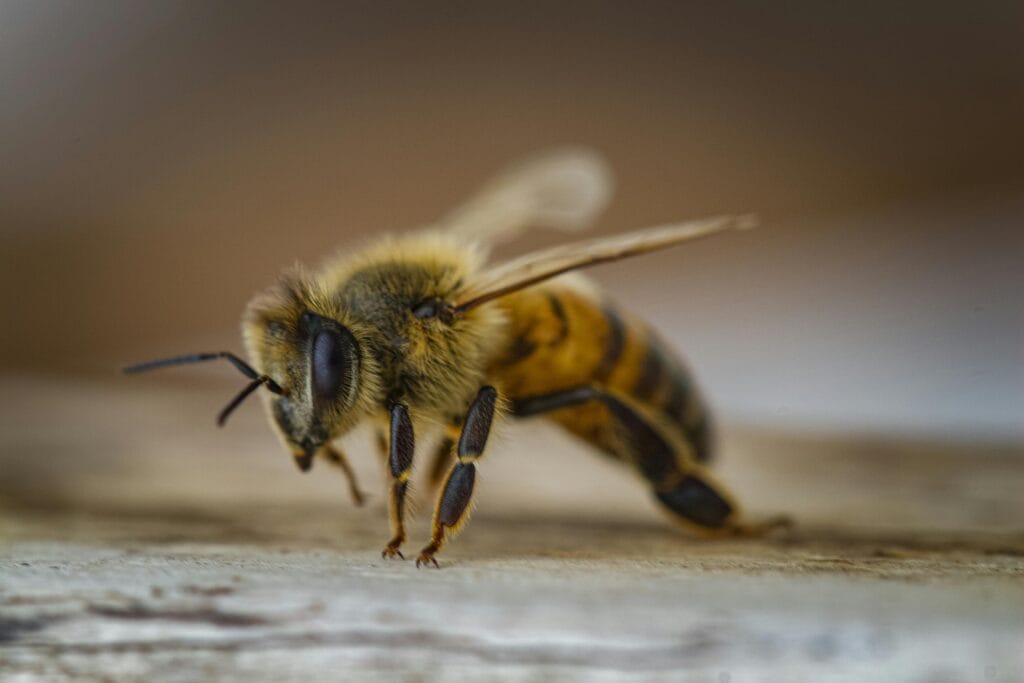
In recent days, several cases of accidents involving Africanized bees have been reported in different regions of Colombia. These events occur when swarms of bees react defensively to a perceived threat, resulting in attacks that may affect one or multiple individuals.
Health authorities and risk management agencies have activated response and control protocols, as well as issued recommendations to the community to prevent such incidents. However, it is important to consider certain key characteristics of Africanized bees in order to better understand them and improve the response to these events
What are Africanized bees?
Africanized bees are a hybrid between European bees and the African subspecies Apis mellifera scutellata
They are characterized by:
- High adaptability to tropical climates
- Faster reproduction rate
- More defensive behavior than other bees
Despite their reputation, they play a fundamental role in pollination and maintaining ecosystem balance.
How do bee-related accidents occur?
Attacks generally occur when bees perceive a threat near their hive. This can happen due to:
- Sudden movements or vibrations
- Loud noises
- Disturbance of trees, roofs, or structures where swarms are located
- Accidental presence near a nest
Unlike other bees, Africanized bees can attack in groups and may पीछuer a person for several meters.
What are the symptoms after a sting?
Most stings cause mild local reactions, but in some cases complications may occur.
Common symptoms:
- Intense pain at the site
- Redness and swelling
- Burning sensation
Warning signs:
- Difficulty breathing
- Swelling of the face or throat
- Dizziness or loss of consciousness
- Multiple stings
In these cases, immediate medical attention is required, as it may be a severe allergic reaction (anaphylaxis) or toxicity from multiple stings.
Is there a treatment for bee stings?
Management depends on the severity of the case:
In mild cases:
- Remove the stinger as soon as possible
- Wash the area with soap and water
- Apply a cold compress
- Use analgesics or antihistamines (as medically indicated)
In severe cases:
Management of allergic reactions
Life support in critical situations
Urgent medical attention
What should you do if a bee attack occurs?
If a person encounters a swarm:
- Move away from the area quickly
- Protect the face and head
- Seek shelter in an enclosed space
- Avoid sudden movements once safe
After the event:
Monitor for symptoms
Seek medical care if needed
Remove the stingers
What preventive measures exist?
To reduce the risk of accidents:
Avoid throwing objects or creating vibrations near nests
Exercise caution in rural or wooded areas
Do not approach or disturb hives
Report swarms to local authorities
Links of interest
Vista de Picaduras por abejas. Reporte de un caso fatal en un adolescente
Author
Gerhard M Acero
ESP epidemiología
Publication date: 06/04/2026
This post is not sponsored.