About Tusi and Necrosis in the Lower Limbs
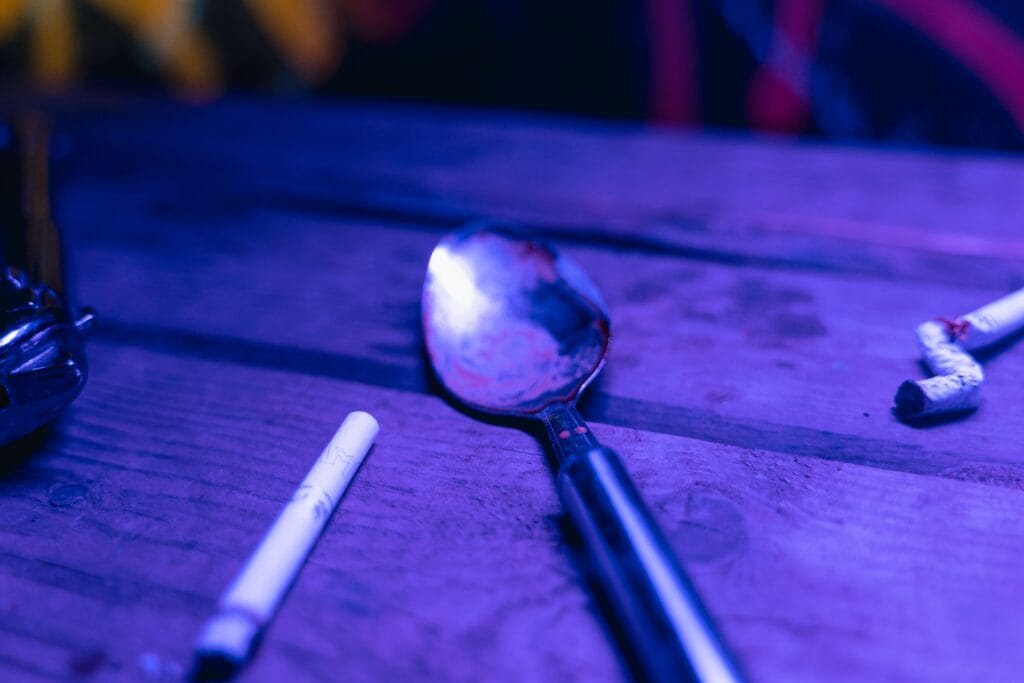
In recent months, different health institutions in Colombia have warned about serious complications associated with the use of “tusi” or “pink cocaine.” A report published by El Colombiano described cases of people treated in Medellín with severe ischemia and necrosis of the extremities, some of whom required amputations. The phenomenon has drawn the attention of physicians and toxicologists due to the unpredictable mixture of substances this drug may contain and the extreme cardiovascular risks it can produce.
What is “tusi”?
The so-called “tusi” is not a single substance. Although many people believe it to be “2C-B,” in practice it is usually a variable mixture of different psychoactive compounds, including ketamine, MDMA, caffeine, cocaine, and other synthetic substances. Its composition changes depending on where it is produced or distributed, which considerably increases the risk for users. Its effects may include euphoria, sensory alterations, increased heart rate, anxiety, agitation, and episodes of paranoia or hallucinations.
What are ischemia and necrosis?
Ischemia is the death of body tissue caused by a lack of blood supply, while necrosis refers to severe cellular damage. When certain drugs cause vasospasm or intense narrowing of the blood vessels, blood can no longer adequately reach the hands, feet, or other parts of the body. This can lead to ischemia, severe pain, changes in skin color, and eventually tissue destruction. In the most serious cases, physicians must perform amputations to prevent severe infections or life-threatening complications.
What other risks are associated with the use of “tusi”?
In addition to the risk of necrosis, the use of tusi can cause multiple physical and mental health complications. These include cardiac arrhythmias, heart attacks, strokes, seizures, respiratory failure, psychiatric disorders, and dependence. Because users often do not truly know what the mixture contains, there is also a risk of acute intoxication from adulterated substances or potentially lethal combinations, especially when mixed with alcohol or other stimulants.
What should be done in cases of use of these substances?
If you or someone close to you is experiencing problems related to the use of psychoactive substances, remember that seeking help is an important step. In Colombia, you can contact the mental health support Line 106, call Line 192 option 4, or go to the nearest health service to receive professional guidance and specialized support.
Links of interest
La peligrosa alerta médica en Medellín: el tusi estaría causando necrosis
Tusibí: Ni 2c-b ni “cocaína rosa” – Enfispo
Author
Gerhard M Acero
ESP epidemiologíst
Publication date: 27/05/2026
This post has not been sponsored.