About human screwworm cases in Mexico
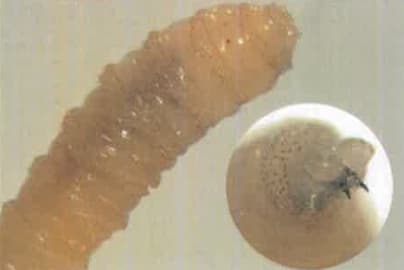
Source: Gaceta Oficial Digital
Over the past 10 months, Mexico has reported 135 human cases of screwworm myiasis, according to data from the National Epidemiological Surveillance System (SINAVE), as of January 30, 2026. These cases correspond to the period since human myiasis surveillance began in April of last year. To date, no deaths associated with this disease have been reported.
But have you ever wondered what the screwworm is and how this disease is transmitted? Here we explain it in simple terms.
What is the screwworm or myiasis?
The screwworm is the larval stage of a fly called Cochliomyia hominivorax, which can grow in the living tissues of humans and animals. It gets its name because the larva burrows into and moves through the tissue, much like a drill.
The disease it causes is known as myiasis. This term was first proposed in 1840 to describe human diseases caused by dipteran larvae, that is, insects such as flies that have a single pair of functional wing
How is the disease transmitted?
It is important to clarify that the disease is not transmitted from person to person. Infection occurs when a fly lays its eggs on open wounds, ulcers, or mucous membranes (such as the nose, mouth, or ears). When the eggs hatch, the larvae remain in the tissue and begin to feed. The flies that can transmit this disease are found in Mexico, Central America, and South America.
What are the symptoms of the disease?
As the larvae begin to feed on the host’s tissue, the following symptoms may occur: intense pain in the affected area; swelling, redness, and a foul odor; itching or a burning sensation in the skin around the lesions; discharge with visible larvae; and, in severe cases, fever and general malaise.
Is there treatment for the disease?
The treatment for this disease consists of the complete removal of the larvae by healthcare professionals, along with proper cleaning and disinfection of the wound. In some cases, a doctor may prescribe antibiotics to prevent or treat secondary infections.
What should I do if I think I have screwworm myiasis?
First, do not try to remove the larvae on your own, as this could worsen the injury. Second, seek immediate care at a healthcare facility for proper diagnosis and treatment. Seeking medical attention promptly can help prevent serious complications.
Links of interest
- Screwworm flies as agents of wound myiasis
- México registra 135 casos de gusano barrenador en humanos; Chiapas concentra la mayoría – xeva Noticias
- Gaceta Oficial Digital
Author
Gerhard M Acero
MD Epidemiologist
Publication date: 02/02/2026
This content is not sponsored