Regarding the floods in Córdoba, Colombia: What diseases can arise during floods?
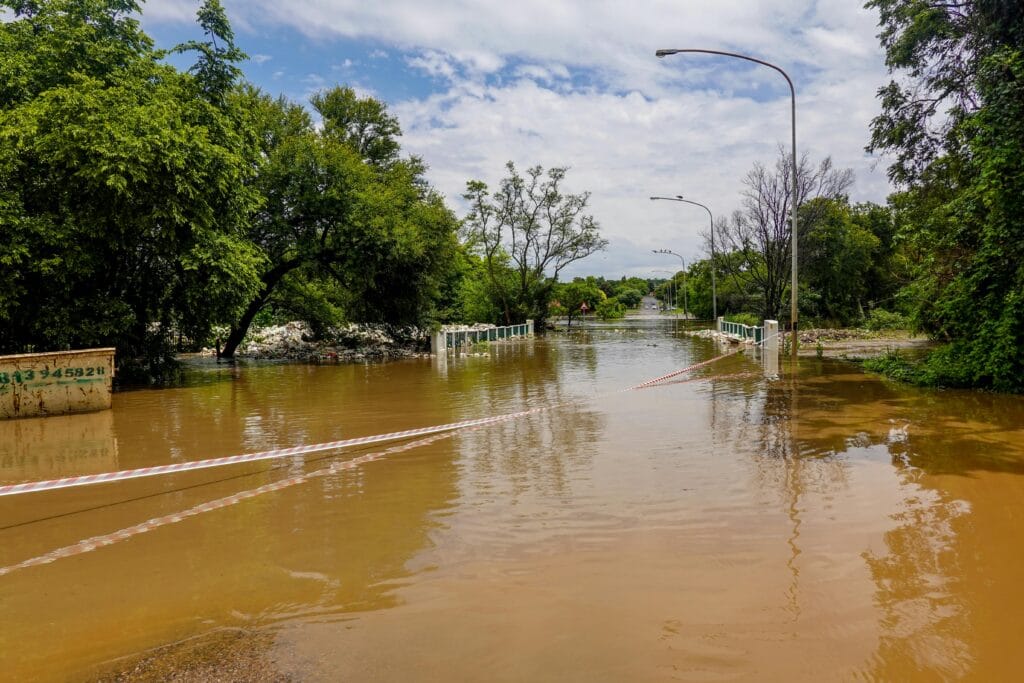
Recent heavy rains and the overflow of rivers and streams have caused flooding in several municipalities of the department of Córdoba, affecting homes, roads, and water supply systems. In response to this situation, health authorities are urging the community to strengthen preventive measures, as certain infectious diseases may increase after this type of emergency.
But what diseases can appear after a flood? How are they transmitted? And what should we do to prevent them? Here we explain it in a simple way.
What diseases can occur after a flood?
Floods promote contamination of drinking water, the collapse of sewage systems, and the proliferation of mosquitoes and rodents. This increases the risk of diseases such as:
• Acute diarrheal diseases
• Leptospirosis
• Dengue and other arboviral diseases
What are acute diarrheal diseases?
They are gastrointestinal infections caused by bacteria, viruses, or parasites present in contaminated water or food. They may present with:
• Frequent diarrhea
• Abdominal pain
• Nausea or vomiting
• Fever
• Signs of dehydration
In children under five years of age and older adults, they can lead to serious complications if not treated promptly.
What is leptospirosis?
Leptospirosis is a bacterial disease caused by microorganisms of the genus Leptospira. It is transmitted through contact with water or soil contaminated with the urine of infected animals, especially rodents.
During floods, contact with stagnant water increases the risk of infection.
Its symptoms may include:
• High fever
• Severe muscle pain (mainly in the calves)
• Headache
• Red eyes
• In severe cases, kidney or liver involvement
What happens with dengue after the rains?
The accumulation of water following floods promotes the breeding of the mosquito Aedes aegypti, the main dengue vector in Colombia. Dengue may present with high fever, headache, muscle and joint pain, and in some cases can progress to severe forms.
Therefore, in addition to addressing the immediate emergency, it is essential to eliminate containers that collect clean water in yards and around homes.
What should I do if I develop symptoms?
If after a flood you develop fever, persistent diarrhea, vomiting, severe muscle pain, or any other concerning symptoms, you should seek medical care immediately for a proper evaluation.
It is important not to self-medicate, especially with antibiotics or anti-inflammatory drugs, without medical advice.
What preventive measures are recommended?
• Wash your hands frequently with soap and water
• Wear boots and gloves if you must come into contact with stagnant water
• Prevent children from playing in flooded areas
• Keep food properly covered
• Use insect repellent and wear clothing that covers most of the body
Prevention, early recognition of symptoms, and timely medical consultation are essential to avoid complications following this type of emergency.
Links of interest
Inundaciones en Córdoba elevan riesgo de dengue, leptospirosis y enfermedad diarreica aguda
Author
Gerhard M Acero
ESP Epidemiologist
Publication date: 22/02/2026
This post has not been sponsored.